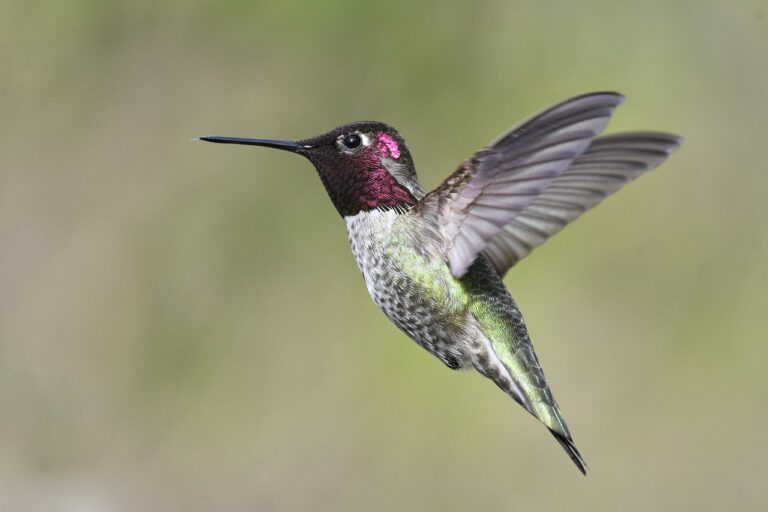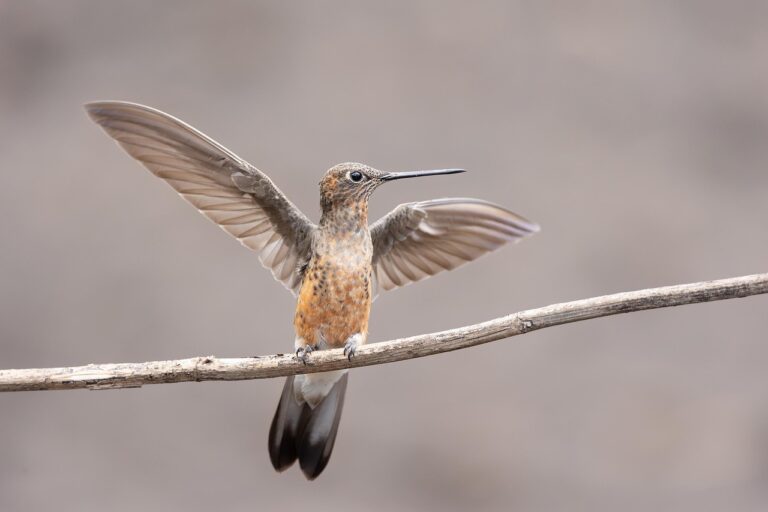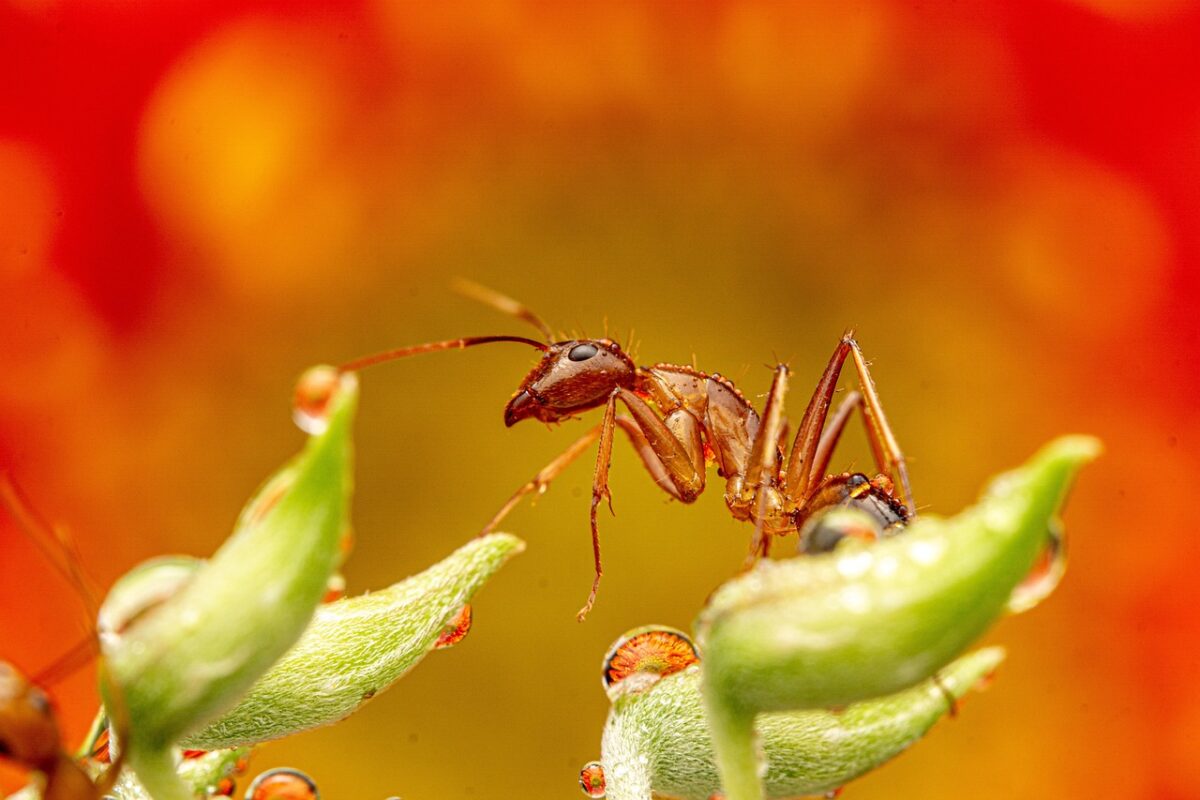
Insects at a nectar feeder are the most common reason people give up on feeding hummingbirds altogether. The problem is entirely solvable, but ants and bees need completely different solutions, and the popular remedy for ants is the one that most reliably kills birds.
Take them separately.
Ants: a moat, and nothing else
An ant moat is a small cup above the feeder that you fill with plain water. Ants walking down the hanger reach the water and stop. It is a physical barrier with no chemistry involved and it works essentially perfectly for as long as there is water in it.
In Florida summer that means topping it up every two or three days, and after heavy rain checking that it has not overflowed and drained. Several of the feeders we stock have a moat built into the hanger, which removes the extra part to remember.
Never use oil, grease or sticky barriers
Petroleum jelly, cooking oil and adhesive tape on the hanger are all widely recommended online and all of them are dangerous. Hummingbirds land on and around the hanger constantly, and any oily substance that reaches feathers destroys their ability to insulate and to fly.
A bird that gets oil on its plumage will usually not survive it. There is no version of this that is worth the convenience, particularly when a cup of water solves the same problem completely.
Bees and wasps need a dry port
Bees cannot be moated because they arrive by air. What keeps them out is a port design where the nectar level sits below the reach of a bee’s tongue but within reach of a hummingbird’s. That is precisely what bee guards and saucer feeders achieve.
If a vacuum bottle is leaking, no bee guard will help, because there is sweet liquid on the outside of the feeder where every insect can reach it. Fixing the leak is the first step, not adding accessories.
Move the feeder rather than fight for it
Bees and wasps forage by memory of a location. Moving a feeder even six or eight feet is often enough to break the pattern, because the insects return to the old spot for days while the hummingbirds, which navigate differently, find the new position within hours.
This is the single most effective intervention available and it costs nothing. It is worth trying before buying anything.
Yellow attracts what you do not want
Yellow port inserts were common on older feeders and they are a wasp magnet, because yellow is a flower signal for insects in a way that red is not. Several manufacturers have quietly moved to red or clear inserts for this reason.
If you have a feeder with yellow accents and a wasp problem, that is a likely contributor. Some inserts can simply be removed; on others it is a reason to retire the feeder.
Cleaning is part of pest control
Sticky residue on the outside of a feeder is an advertisement. Wiping the base and the ports each time you refill removes the trail that ants follow and the scent that draws wasps, and it takes ten seconds.
The same applies to spillage on the ground below a feeder. Where a feeder drips onto a deck or a path, that spot becomes the actual attraction and moving the feeder will not help until it is washed off.
From our shelves
Small and plastic feeders, useful as the second and third station a busy garden needs. Everything below is in stock as this piece is published, and the prices shown are read live from the catalogue rather than typed into the article, so they cannot drift out of date. Across the whole group prices currently run from $15.99 to $16.99, and the listing pages carry the full specification for each one.
- iBorn Mini Hummingbird Feeders for Outdoors – 4-Pack, 3oz Capacity, Red Silicone Ports — $16.99
Transform your garden into a vibrant hummingbird haven with the iBorn 4-pack mini feeders. Designed for multiple birds to dine simultaneously, these durable, eco-safe feeders feature bee guards and a stable hanging design, ensuring a delightful and mess-free experience for both you and your tiny visitors. - Hpewi Hummingbird Feeders, 20oz Plastic, Bee-Proof with Ant Moat, 2-Pack — $15.99
Attract more hummingbirds to your yard with this convenient Hpewi 2-pack. Each feeder features a built-in ant moat and bee-proof ports for clean, fresh nectar, ensuring a delightful feeding experience for your tiny feathered friends.
These are 2 of the items in Mini and Plastic Feeders; the category page lists the rest with current stock and pricing.
Ordering, delivery and returns
Orders under $49 carry a $5.99 delivery charge; at $49 and above there is none. Orders are packed in one to three business days and travel for five to ten, so plan on six to thirteen business days between placing an order and opening the box. Everything ships from Orlando, FL, to United States addresses.
If something is not right, the return window is 30 days from delivery for unused goods in their original packaging. The Shipping Policy and the Refund and Returns Policy carry the detail, and the FAQ answers the questions that come up most often.
Read next
- Hummingbird nectar: the only recipe you need
- Cleaning a hummingbird feeder in Florida heat
- Glass, saucer or window: choosing a feeder
Browse everything in stock or ask us a question — we answer written enquiries within one business day.